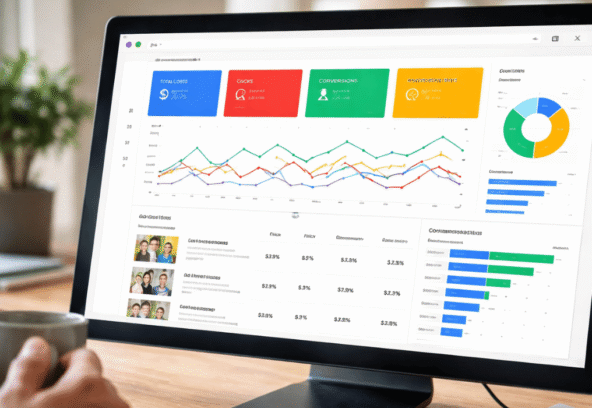


From Traffic to Trust: Why Informational SEO Alone No Longer Converts
For years, search engine optimization (SEO) has been the backbone of digital visibility. Businesses invested heavily in keywords, blog posts, and rankings with one primary goal: drive traffic. And for a long time, that approach worked. Ranking on page one meant more visitors, more awareness, and—at least in theory—more leads.
But something has changed.
Today, many businesses are experiencing a frustrating reality:
Traffic is up, but conversions are flat. Pages rank well, impressions look healthy, yet users don’t take action. Forms go unfilled. Calls don’t happen. Sales stall.
The reason is simple but often overlooked: traffic alone does not equal trust.
Modern SEO strategy has evolved beyond answering questions. Users now expect credibility, clarity, and confidence before they convert. Informational SEO may open the door, but trust is what gets people to walk through it.
This article explores why informational SEO alone no longer converts—and how trust-driven SEO has become essential for turning visitors into customers.
Understanding Informational SEO
What Is Informational SEO?
Informational SEO focuses on creating content that answers users’ questions. These searches often begin with words like
- What is…
- How does…
- Why do…
- When should…
The intent is learning, not buying—at least not immediately.
Examples include:
- “What is local SEO?”
- “How does email marketing work?”
- “Why is UX important for websites?”
This type of content has long played a central role in content marketing strategies because it aligns well with how search engines evaluate relevance and usefulness.
Traditional Role in Content Marketing
Informational SEO became popular because it aligned well with search engine algorithms and user behavior. Search engines prioritize content that demonstrates relevance and usefulness, and educational content fits that model perfectly.
For businesses, informational content helped establish visibility in competitive markets. It allowed brands to rank for a wide range of keywords, increase organic traffic, and position themselves as helpful resources within their industry.
Over time, content marketing strategies became heavily centered on publishing frequent informational articles. The emphasis was on volume, keyword coverage, and ranking potential. As long as traffic was increasing, the strategy was considered successful.
Common Informational SEO Strategies
Most informational SEO strategies follow a familiar pattern. Businesses conduct keyword research to identify high-volume search terms, then create content optimized around those keywords. Pages are structured with headings, internal links, and meta tags to improve search performance.
While these practices are still relevant, they often prioritize search engines over users. The result is content that ranks well but fails to inspire confidence or action.
Limitations of Informational SEO
Traffic Without Intent
One of the biggest challenges with informational SEO is low commercial intent. Users reading educational content are often:
- Comparing options
- Researching broadly
- Not ready to commit
A blog post might attract thousands of visitors, but only a small fraction are prepared to take the next step.
The Trust Gap
Modern users are skeptical. They don’t just ask, “Is this information correct?” They ask:
- Who wrote this?
- Why should I trust them?
- Are they experienced or just optimized for keywords?
If content answers a question but fails to demonstrate credibility, users leave without engaging further.
Statistics That Tell the Story
Data consistently shows that high-traffic informational pages often have low conversion rates. Bounce rates tend to be higher, time on site is limited, and users rarely progress to service pages or contact forms.
This does not mean informational SEO is useless. It means it cannot stand alone. Without trust signals, informational content remains isolated at the top of the funnel.
Commoditization of Content
With so much content available, informational articles often look and feel the same. Users can find similar answers on dozens of sites. When content lacks originality, authority, or relevance, it becomes interchangeable—and forgettable.
The Shift to Trust-Based SEO
What Does “Trust” Mean Online?
Trust in digital marketing goes beyond accurate information. It is the confidence users feel in a brand’s legitimacy, reliability, and expertise. Trust answers unspoken questions such as whether a business is credible, whether it understands the user’s needs, and whether it can deliver on its promises.
In an environment where users have endless choices, trust becomes a deciding factor. People do not convert simply because they found an answer. They convert because they believe the business behind that answer is the right one.
How Trust Influences Decisions
Before converting, users subconsciously ask:
- Do I believe this brand?
- Do they understand my problem?
- Will they deliver what they promise?
If the answer to any of these is unclear, users hesitate—or leave.
Search engines recognize this behavior. Engagement metrics, return visits, and branded searches all signal whether users trust a site. SEO and trust are no longer separate—they’re deeply connected.
Building Trust Through Quality Content
Beyond “Good” Content
High-quality content today must do more than explain a topic. It must:
- Show expertise
- Address real-world scenarios
- Speak clearly and honestly
- Offer practical insight, not just theory
Users want depth, not fluff.
Characteristics of Trust-Building Content
Trust-focused content often includes:
- Real examples and case context
- Clear explanations without jargon
- Balanced perspectives (pros and cons)
- Updated, accurate information
- Clear authorship or brand voice
Tips for Creating Trust-Building Content
- Write for people, not algorithms
- Focus on clarity over keyword density
- Anticipate follow-up questions
- Avoid exaggerated claims
- Be transparent about limitations or assumptions
Content that feels honest builds confidence—and confidence leads to action.
The Role of User Experience

First Impressions Shape Perception
User experience plays a critical role in how trustworthy a website feels. A slow-loading page, cluttered design, or confusing navigation can undermine credibility instantly. Even the best content loses impact if the experience surrounding it feels unprofessional.
UX is not just about aesthetics. It is about making users feel comfortable, confident, and in control.
UX Elements That Reinforce Trust
A well-designed website communicates reliability. Fast load times show competence. Mobile responsiveness shows consideration for users’ habits. Clear navigation shows respect for users’ time.
When UX aligns with content quality, users are more likely to stay, explore, and engage. Trust grows naturally from a seamless experience.
The Importance of Authority and Credibility
Why Authority Matters
Authority answers the question, “Why should I listen to you instead of someone else?”
Search engines measure authority through backlinks and mentions, but users measure it through:
- Depth of insight
- Consistency of messaging
- Demonstrated experience
How to Build Authority in Your Niche
Effective strategies include:
- Publishing in-depth resources
- Guest blogging on reputable sites
- Collaborating with industry partners
- Sharing real expertise, not generic advice
- Highlighting credentials and experience
Authority doesn’t come from volume—it comes from value.
Integrating SEO and Trust-Building Strategies
SEO Should Support Trust, Not Replace It
The most effective strategies align:
- Search intent
- User expectations
- Business goals
This means designing content journeys that move users from education to confidence—not just from keyword to keyword.
Actionable Integration Strategies
- Pair informational content with clear next steps
- Use internal links to guide users deeper
- Add proof points (experience, insights, examples)
- Optimize pages based on engagement data
- Continuously refine content using analytics
Measure What Matters
Instead of focusing only on traffic:
- Track time on the page
- Monitor conversion paths
- Analyze drop-off points
- Test content clarity and layout
Improvement comes from understanding behavior—not assumptions.
Related Services from Impactory Media
Businesses looking to move beyond traffic-first SEO often need a more holistic approach. Impactory Media supports this transition through integrated digital strategies designed to build trust and drive conversions.
Key Services Include:
- SEO Strategy Development: Aligning search visibility with business intent and user trust.
- Content Marketing: Creating authoritative, audience-focused content that educates and converts.
- Website Design and Development: Building fast, intuitive, and professional websites that reinforce credibility.
- UX/UI Optimization: Improving usability, clarity, and engagement across all devices.
- Digital Marketing Consultation: Providing strategic guidance to connect SEO, content, and conversion goals.
These services help businesses shift from chasing clicks to building confidence—turning visibility into measurable results.
Conclusion:
Informational SEO is not obsolete, but it is no longer sufficient on its own. In a crowded digital environment, users expect more than answers. They expect confidence, clarity, and credibility.
The evolution of SEO reflects a broader shift in how people make decisions online. Visibility opens the door, but trust determines whether users step inside.
Businesses that focus only on traffic will continue to struggle with conversions. Those that invest in trust—through quality content, thoughtful UX, demonstrated authority, and integrated strategies—will see stronger engagement and better results.
FAQ’s
Why does informational SEO no longer convert as effectively as before?
Informational SEO mainly targets users in the research stage who are seeking answers, not solutions. While it helps attract traffic, it often lacks trust signals that encourage action. Today’s users compare multiple sources and look for credibility, experience, and clarity before converting. Without trust-building elements, informational content alone struggles to move users toward meaningful decisions.
What is trust-based SEO, and how is it different from traditional SEO?
Trust-based SEO focuses on building credibility, confidence, and authority alongside search visibility. Unlike traditional SEO, which prioritizes rankings and traffic, trust-based SEO emphasizes user experience, content depth, brand authority, and engagement signals. The goal is not just to be found in search results but to convince users that your business is reliable, knowledgeable, and worth choosing.
How does user experience impact SEO and conversions?
User experience directly influences how trustworthy a website feels. Factors like fast loading speed, mobile responsiveness, clear navigation, and clean design make users more comfortable and confident. When visitors can easily find information and move through a site without friction, they are more likely to stay longer, engage with content, and take action—positively affecting both SEO performance and conversion rates.
Can informational content still play a role in modern SEO Strategy?
Yes, informational content remains important for attracting users early in their journey. However, it must be part of a broader strategy that includes trust-building elements. Informational content should demonstrate expertise, address real-world concerns, and guide users toward deeper engagement. When combined with credibility signals and strong UX, informational SEO can support conversions instead of existing in isolation.
What type of content helps build trust with website visitors?
Content that builds trust is clear, honest, and experience-driven. This includes in-depth explanations, practical insights, real examples, and balanced perspectives. Trust-building content avoids exaggerated claims and focuses on helping users understand their challenges. When content feels authentic and authoritative rather than keyword-focused, users are more likely to believe the brand behind it and consider converting.
How does authority improve SEO performance and user trust?
Authority signals to users and search engines that a business is knowledgeable and credible in its field. Consistently publishing high-quality content, earning mentions from reputable sources, and showcasing expertise help build authority over time. As authority increases, users feel more confident engaging with the brand, and search engines are more likely to rank the content higher for relevant queries.
What metrics should businesses focus on instead of just organic traffic?
While traffic is still valuable, businesses should focus more on engagement metrics such as time on page, scroll depth, internal link clicks, and conversion paths. These metrics reveal whether users trust the content and explore further. Tracking how visitors move through the site provides better insight into content effectiveness and highlights opportunities to improve trust and conversion performance.
How can businesses transition from traffic-focused SEO to trust-based SEO?
The transition starts by aligning SEO, content, and user experience around user intent and credibility. Businesses should refine content to demonstrate expertise, improve website usability, and guide users through logical content journeys. Regularly reviewing analytics helps identify where trust may be lacking. Over time, this integrated approach turns organic traffic into engaged users and consistent conversions.